When your child has a cow’s milk allergy, one of the first worries many parents share with me is: “How will they get enough calcium without dairy?” It’s a really important question — calcium is essential for strong bones and teeth, as well as muscle and nerve function, and growing children need plenty.
The good news is that there are safe, dairy-free sources of calcium. One that often surprises parents is tofu.
Does Tofu Contain Calcium?
The answer is yes — but not all tofu is equal.
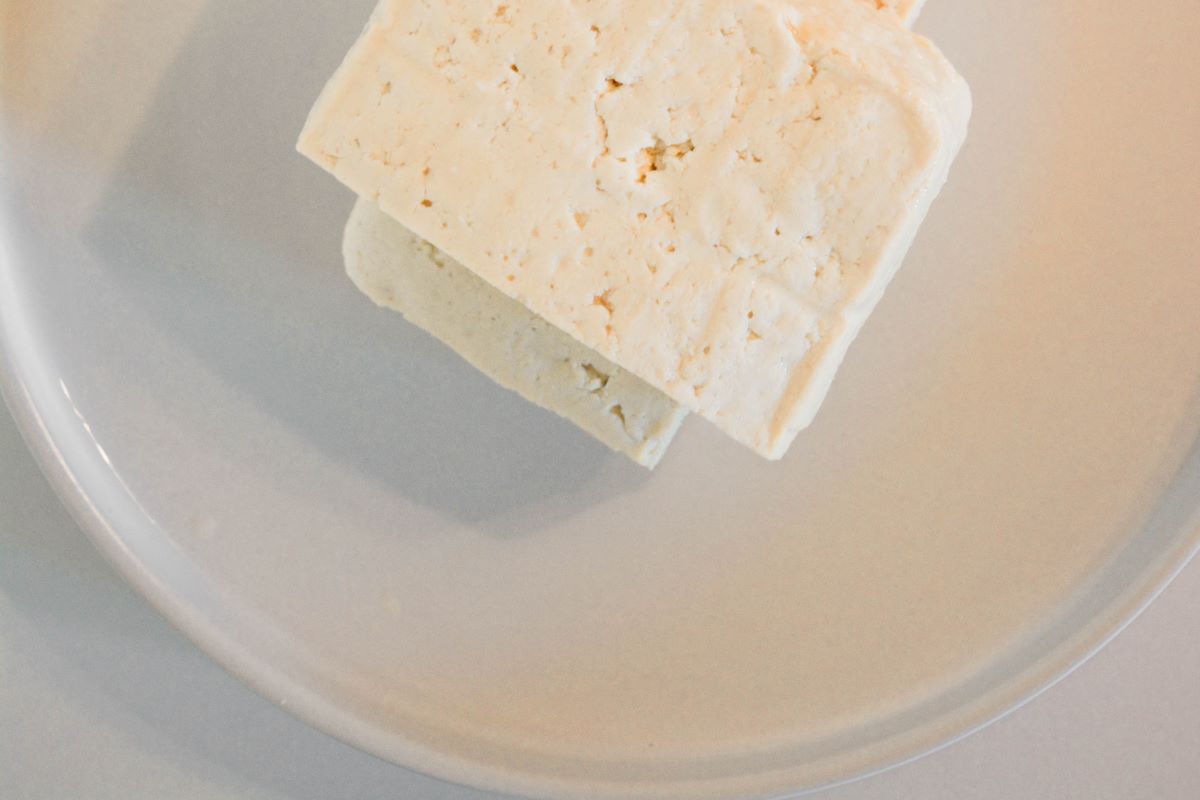
Tofu is made by curdling soy drink (sometimes called soy milk) and pressing it into blocks, a bit like how cheese is made, but without any animal milk involved. The key difference lies in the coagulant used:
- Calcium-set tofu (made with calcium salts such as calcium sulphate or calcium chloride) is an excellent source of calcium. Some brands contain around 350 mg of calcium per 100 g, which is similar to, or even higher than, a glass of fortified soy drink.
- Non-calcium-set tofu (often made with nigari, or magnesium chloride) contains much less — sometimes as low as 87 mg per 100 g.
In other words, the amount of calcium in tofu depends entirely on how it’s made.
How Much Calcium is in Tofu?
Research shows the variation clearly:
- Traditional tofu: ~176 mg per 100 g
- Calcium-set tofu: up to 350–400 mg per 100 g
- Firm calcium-set tofu: 250–750 mg per 113 g (4 oz)
- Soft tofu: 120–390 mg per 113 g (4 oz)
- Nigari-set tofu: ~87 mg per 100 g
To put this into context, a glass of cow’s milk contains around 240 mg of calcium per 100 ml. That means some types of tofu can actually provide more calcium than milk.
How Much Calcium Do Children Need?
To understand how tofu can help, it’s useful to know the daily calcium requirements for children:
| Age Group | Recommended Calcium (mg/day) |
|---|---|
| 1–3 years | 350 mg |
| 4–6 years | 450 mg |
| 7–10 years | 550 mg |
| 11–18 years | 800 mg (girls) / 1000 mg (boys) |
(NHS guidelines, 2023)

But, How Much Calcium Is in Tofu for Children?
When looking at the nutrition tables, you’ll often see values given per 100 g or per “cup” of tofu — but that doesn’t always translate to what babies and young children actually eat.
For children, a portion is usually much smaller:
- Babies (from 6 months, during weaning): 30–40 g (about 2–3 small cubes, or 1–2 tbsp scrambled/blended tofu).
- Toddlers (1–3 years): 40–60 g (around 4–6 small cubes, or ¼ block).
- Older children: 60–80 g, depending on appetite and the rest of the meal.
This means that even a modest toddler portion of 50 g of firm calcium-set tofu could provide around 175 mg of calcium — a really helpful contribution towards their daily needs (which are 350 mg/day for 1–3 year-olds, and 450 mg/day for 4–6 year-olds).
How to Choose Tofu with Calcium
Not all tofu is high in calcium, so it’s important to check labels carefully:
- Ingredients list: Look for calcium sulphate or calcium chloride.
- Nutrition panel: Aim for at least 120 mg calcium per 100 g.
This simple habit at the supermarket helps ensure tofu is a meaningful calcium source for your child.
How to Cook Tofu for Babies
The best way to prepare tofu depends on your baby’s age and stage of weaning. Tofu is naturally soft and safe, but cooking it in different ways can make it more appealing and easier for your baby to handle.
For first tastes (around 6 months):
- Use silken or soft tofu straight from the pack — no extra cooking needed. Mash it into vegetable or fruit purées, or blend it into sauces for a smooth texture.
- Try a simple tofu scramble — crumble soft tofu into a pan with a little rapeseed or olive oil, and cook gently until heated through. You can add finely chopped vegetables or herbs for flavour.
For finger foods (6–9 months+):
- Cut firm tofu into batons about the size of your finger. Steam, bake, or lightly pan-fry until warmed through. This gives your baby something easy to grasp.
- Offer tofu strips plain or dipped in smooth veggie purées, hummus, or mashed avocado.
For older babies and toddlers (9–12 months+):
- Bake or grill tofu cubes with a light coating of oil and mild herbs/spices — this makes the outside a little firmer for easy self-feeding.
- Stir tofu cubes into pasta sauces, curries, or stews, where they’ll soak up flavour and provide extra calcium and protein.
- Add tofu to homemade fritters or patties — mix with grated veg and a little flour/egg (or egg replacer) to bind.
Can Tofu Be Eaten Raw?
Yes — tofu can be eaten raw, especially silken or soft tofu, which is often used in desserts, smoothies, or blended into dips. For babies and toddlers, though, it’s usually best to serve tofu lightly cooked (steamed, baked, or scrambled). Cooking makes it more palatable, easier to digest, and reduces the risk of contamination from handling.
Tip for parents: If you do serve tofu uncooked, always use it straight from a freshly opened packet, drain it well, and keep it chilled until serving.
Is Tofu Healthy for Children?
Tofu is naturally dairy free, low in saturated fat, and packed with nutrients that are important for growing children. It provides:
- Protein – a complete source with all essential amino acids
- Calcium – when calcium-set, it can provide as much calcium as cow’s milk
- Iron, magnesium, and other minerals
- Plant compounds (isoflavones) which are safe for children and can have health benefits
For babies and children with cow’s milk allergy who tolerate soy, tofu can be a safe and healthy way to add both protein and calcium into their diet.
Tofu, Calcium, and Allergies
Tofu is naturally dairy free, making it suitable for children with a cow’s milk allergy. However, because it’s made from soybeans, it’s not suitable for children with a diagnosed soy allergy.
For families managing cow’s milk allergy, calcium-set tofu can be a safe, practical, and nutritious addition to meals.
The Bottom Line on Calcium in Tofu
Calcium is vital for every child’s growth and development. While dairy is the most familiar source, it isn’t the only one. Calcium-set tofu is a valuable dairy-free food that provides both protein and calcium.
Even small child-appropriate portions can make a meaningful contribution towards daily calcium needs — making tofu a smart choice for families living dairy free.

Hannah is an Expert Registered Dietitian specialising in Vegan Family Nutrition and Cows Milk Protein Allergy.
She is a respected figure in the field of nutrition and a captivating speaker and sought after media spokesperson being featured in esteemed publications including the Sunday Times, Independent and Huffington Post.
Credentials
Registered Dietitian
First Class Degree in Nutrition
Experience
Over 15 years experience working in the field of nutrition
Respected Media Spokesperson both in the UK & USA; quoted online, TV and in local and international news
Writer & Researcher, supporting the BDA and PEN Nutrition