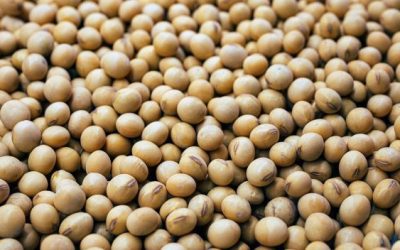
Soya protein allergy is a common food allergen I see in my clinic. Symptoms I find will generally appear when weaning starts, especially if your little one has a milk allergy and you opt for products made from soya beans as an alternative such as milk and yogurt. Some little ones who are breastfed may start to show allergic reactions to mums breastmilk when feeding and this may have been diagnosed via elimination and reintroduction diet.
Soya allergy isn’t however as common as milk allergy and the exact prevalence in the UK isn’t really known. We do have some data from the Europrevail birth study that has shown that soy allergy in young children up to the age of around 2 years is 0.4%.
If you’re little one is diagnosed with a soya allergy, you may have been advised that now is the time to start to reintroduce soya back into their diet, but you’re not sure how to do this.
In this blog, I will provide you with an overview of how to reintroduce soya in the diet. But first, make sure you download a copy of my FREE ULTIMATE GUIDE TO THE SOYA LADDER FOR INFANTS – ENTER YOUR DETAILS BELOW
What foods contain soya?
Soya is a versatile ingredient, meaning it can be found in a wide variety of foods. If your little one is avoiding soya I bet you have have been reading food labels very thoroughly to check for this allergen.
Some common sources of soya can include processed foods like bread, biscuits, and pastries where soya lecithin is often used as an emulsifier. Meat substitutes, such as Quorn products and tofu, are primary sources of soya protein and you may also have found that soya is prevalent in many Asian cuisines, including products like soy sauce, miso, and tempeh. I would always advise checking what foods are cooked in as soybean oil can be also commonly used in Asian dishes.

What is the soya ladder?
The soya ladder is a structured method I recommend to parents for reintroducing soya protein into their baby’s diet. This is after a period of avoiding soya due to a previous diagnosed allergic reaction.
Using a ladder ensures a gradual and safe reintroduction. This allows you to monitor your baby’s tolerance at each step.
At the start of the ladder, you’ll begin with foods that contain minimal amounts of soya, such as bread which includes a product called soya lecithin in the ingredients list. These initial steps are designed to introduce very small quantities of soya which aims to reduce the risk of an allergic reaction by slow reintroduction.
As you move up the ladder, the amount of soya in the foods increases. For example, if your little one tolerates soy lecithin, the next step would be introducing products made from soya flour. After this step comes fermented foods with soya such as soya sauce and increased portions of baked soya. Near the very top of the ladder are whole uncooked soya foods which include soya yogurt, cheese, and ‘milk’.
This way of introducing foods back into the diet is similar to the ladders used for other food allergies, such milk, eggs, and wheat allergy.
The soya ladder allows you to closely observe your baby’s reactions at each step and make adjustments as you need to.
But remember, this ladder is only typically recommended for non IgE allergy.
What is non-IgE soya allergy?
A non-IgE soya allergy is a type of food allergy that causes delayed reactions to soya. This reaction will happen anywhere from 2-72 hours after your baby has eaten a food containing soya.
The symptoms of a delayed (non IgE) soya allergy can include; stomach pain, diarrhoea, vomiting, or skin rashes. If your little one has been diagnosed with a delayed soya allergy and a health professional has advised you to start the ladder then feel free to use this blog to guide you. This does not replace any specific information that you have been provided with from your qualified health professional.
If your baby has been diagnosed with an IgE soya allergy which is an immediate or severe reactions to soya then this should not be used. You should wait for further advice from your allergy team.
When to start the soya ladder?
If your baby has a non IgE soya allergy then you can generally start the soya ladder anytime from 10-18 months of age.
This is because it is recommended to follow a strict soya-free diet for at least 6 months after diagnosis. Diagnosis for soya allergy tends to start when you introduce a little bit of soya yogurt or using soya drink as an alternative to cow’s milk when weaning if your baby has a milk allergy.
Only Start the Soya Ladder if Your Baby is Well
Ensure your baby is healthy and symptom-free when starting the ladder. Avoid starting if your baby has:
- A high temperature/fever
- Very loose stools (tummy bug)
- Recently been prescribed medication like antibiotics
- A rash or eczema flare-up
- A chest infection or bronchiolitis
- Taken antihistamines in the last 5 days as this can mask symptoms.
Trust your intuition and start when your baby is symptom-free and well. If you have any concerns then always contact your healthcare team for support.
Breastfeeding and the Soya Ladder
If you are breastfeeding you may be wondering if you can start the soya ladder or if you should do this with your baby. I’m going to give you some of the pros and cons of both.
Introducing Soya to Your Baby
Pros:
- You know exactly how much soya protein your baby is having and where they are up to on the soya ladder.
- You can immediately stop the food if symptoms occur and revert to the last step tolerated.
Cons:
- Waiting until your baby has been on a soya-free diet for 6 months may be challenging, however you can be supported by a dietitian to ensure nutritional balance and alternatives are offered.
- It might be difficult to get a younger baby to eat the recommended portions of soya-containing foods.
Introducing Soya While Breastfeeding
Pros:
- Your baby likely receives a lower amount of soya protein through breastmilk, which may reduce the worry around the reintroduction.
- If your baby tolerates soya through breastmilk, you may not need to avoid soya-containing foods via your diet. This can occur in some babies who can tolerate soya via mums diet but not via their own diet.
Cons:
- It can be challenging to identify which food caused a reaction since we don’t fully understand how quickly or slowly soya protein moves through breastmilk.
Ultimate Guide to the soya ladder for infants
So what are the steps to the soya ladder.

Stage 1: Soya Lecithin
Starting with foods containing soya lecithin, which is less likely to cause a reaction. Soya lecithin is a food additive which is commonly added to foods in processing.
- Examples: Microwave porridge, biscuits, cakes or crisps with soya lecithin contained. Unfortunately on this step of the ladder a lot of the foods are snack food.
Stage 2: Baked Soya in Flour
Move to baked goods containing soya.
- Examples: Bread with soya flour added – check your labels to ensure this bread contains soya flour as some don’t.
Stage 3: Baked Flour in Food & Fermented foods
Introduce larger portions of baked foods. This could be sandwich for lunch and fruit toast before bed. Cooked fermented soya foods would also come under this step. These are foods such as soy sauce or teriyaki sauce which you find in a lot of Asian fooking.
Remember these foods are quite high in salt so don’t give too much to your little one.
Stage 4: Well-Cooked Soya in Other Foods
Add well-cooked soya foods to the diet.
- Examples: Lasagne or fish pie with soya ‘milk’ and ‘cheese’, pizza or pasta bake with soya ‘cheese’. Other foods include; vegetarian sausage, veggie burger made with soya protein.
Stage 5: Lightly Cooked Whole Soya Foods
Move to lightly cooked whole soya foods.
- Examples: soya custard, white sauce with soya ‘milk’, hard/soft soya ‘cheese’, tofu soya yogurt.
Stage 6: Uncooked Whole Soya Foods
Finish with uncooked soya foods.
- Examples: Soya drink ‘milk’
By following the Soya Ladder and monitoring your child’s reactions, you can look to safely reintroduce soya back into your childs diet.
How Long does the Soya Ladder take?
Every baby is different and some babies may be able to tolerate soya within 6-12 months whereas others it may take a few years or longer.
Always monitor your baby’s symptoms and progress at each step. If your baby shows a reaction at a certain step, stop and return to the previous step they tolerated. Wait 2-4 weeks before trying the challenging step again.
It’s important that when you stop at a step that you keep the foods in your babies diet that they are able to tolerate and don’t remove all foods from their diet.
Summary – the Quick and simple guide to the soya ladder.
The soya ladder is a useful way to gradually reintroducing soya protein into your baby’s diet. Follow the steps carefully and always consult with a healthcare professional if you have concerns. Remember, every baby is different, and it’s important to go at your own pace.
My guide can help you to get started.
For a FREE PDF download of this blog, click the link below.
Bump2baby Nutrition LTD accepts no responsibility for any adverse reactions that occur from following the soya ladder. Always seek support from a registered dietitian and/or allergy team. If your baby shows signs of anaphylaxis, seek medical attention immediately. The soya ladder should only be started 6 months post-weaning and 6 months post-diagnosis of a soya allergy.

Hannah is an Expert Registered Dietitian specialising in Vegan Family Nutrition and Cows Milk Protein Allergy.
She is a respected figure in the field of nutrition and a captivating speaker and sought after media spokesperson being featured in esteemed publications including the Sunday Times, Independent and Huffington Post.
Credentials
Registered Dietitian
First Class Degree in Nutrition
Experience
Over 15 years experience working in the field of nutrition
Respected Media Spokesperson both in the UK & USA; quoted online, TV and in local and international news
Writer & Researcher, supporting the BDA and PEN Nutrition