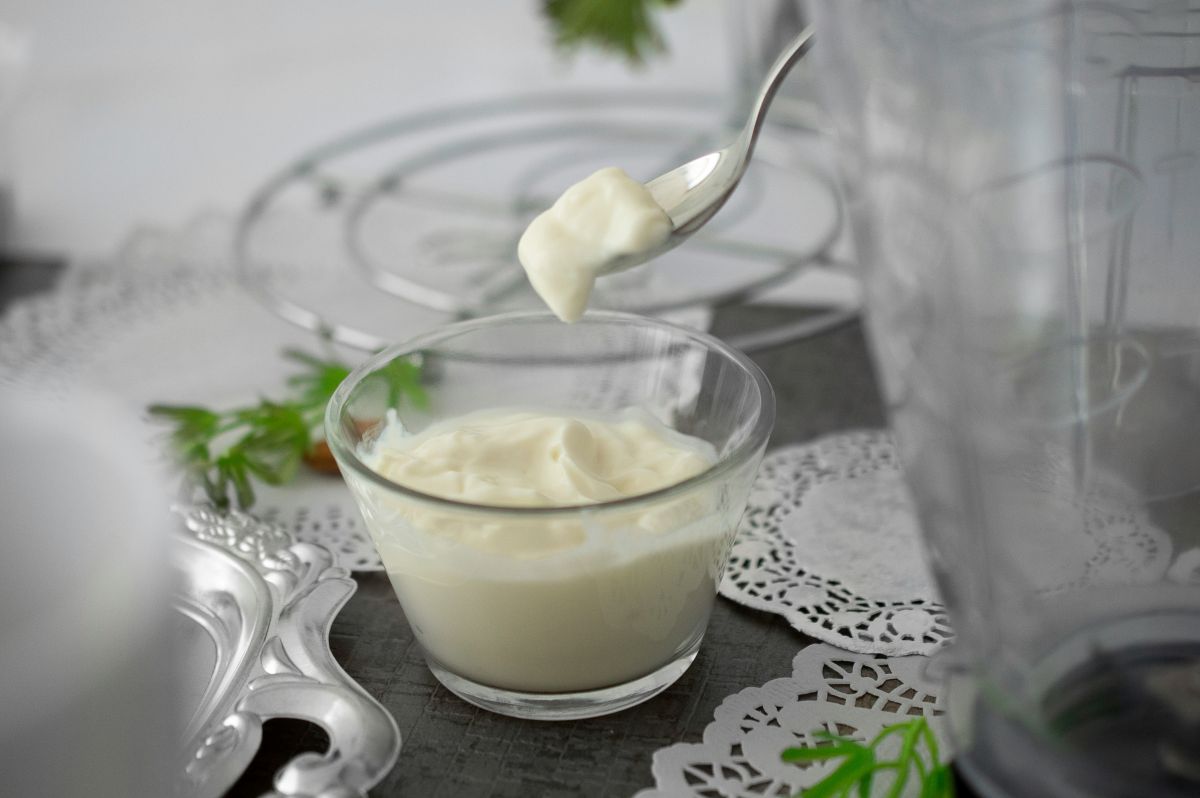
If your little one has a milk allergy, you may wonder if that classic creamy condiment mayonnaise s safe. Here’s the good news: Mayonnaise is almost always dairy free, made from eggs, oil, and vinegar — not milk products. But, when it comes to flavoured or low-fat versions, you’ll want to read labels closely — especially if they contain dairy-based additives.
What are the ingredients in mayonnaise?
Classic mayonnaise is made from just a few key ingredients:
- Egg yolks – provide structure and richness.
- Oil – usually rapeseed (canola) or sunflower oil.
- Acid – vinegar or lemon juice to add tang.
Importantly, these ingredients do not come from milk. This means that traditional mayonnaise does not contain dairy and is generally safe for a milk-free diet.
When Is Mayonnaise Not Dairy Free?
While most mayonnaise is safe for milk allergy, some types may contain dairy ingredients. Here’s what to watch out for:
- Flavoured Mayos – Varieties like ranch, garlic, or parmesan mayonnaise can contain milk powder, cream, cheese, or buttermilk.
- Low-Fat or Light Mayos – Some reduced-calorie versions add yoghurt or cream to improve texture.
- Cross-Contamination Risks – Look out for “may contain milk” statements, especially if the mayonnaise is made in a factory that handles dairy.
Is Mayonnaise Gluten Free as Well as Dairy Free?
Traditional mayonnaise is usually both dairy free and gluten free. However, as mentioned above flavoured mayos can contain gluten through ingredients such as malt vinegar or certain flavourings.
If your child has both a milk and gluten allergy, always:
- Read the label carefully.
- Check allergen statements for both “milk” and “gluten/wheat.”
- Contact the manufacturer if in doubt.
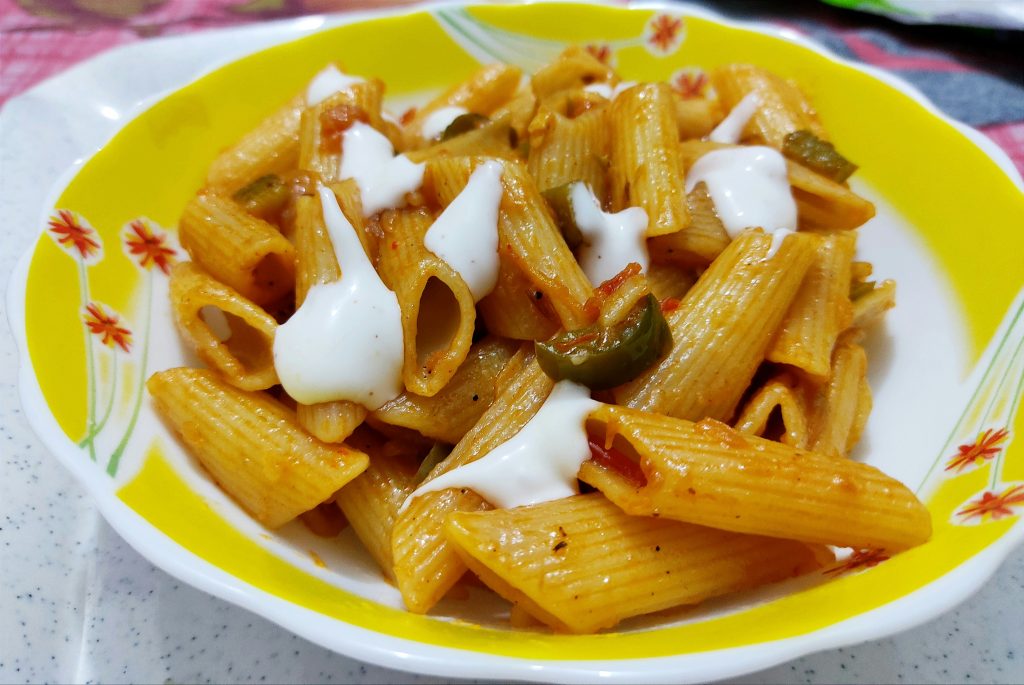
How to Choose a Dairy Free Mayonnaise
For peace of mind when buying mayonnaise for your child with a milk allergy:
- Read labels carefully – Avoid ingredients like milk, whey, casein, cream, or yoghurt.
- Don’t rely on “vegan” alone – Vegan mayo should be dairy free, but some products still carry “may contain milk” warnings due to manufacturing processes.
- Look for allergen-specific labelling – Some brands clearly state “dairy free” or “free from milk” on the front of the packaging.
Dairy Free Mayonnaise Brands (UK)
Here are some mayonnaise brands that are typically dairy free. Always double-check the label, as recipes can change.
Standard Mayonnaise (contains egg):
- Heinz Seriously Good Mayonnaise
- Hellmann’s Real Mayonnaise
- Hunter & Gatherer Mayonnaise
Vegan / Egg-Free Mayonnaise (also noted as dairy free):
- Asda Free From Vegan Mayo
- Hellmann’s Vegan Mayonnaise
- Marks & Spencer Plant Kitchen Mayo
- Only Plant Based Vegan Mayo
- Plamil Egg-Free Mayo
- Tesco Free From Mayo
Dairy Free Mayonnaise Brands (US)
If you’re reading from the US, these mayonnaise brands are typically dairy free. Always check the label for flavoured versions or “may contain milk” warnings.
Standard Mayonnaise (contains egg)
- Hellmann’s (Best Foods in the US) Real Mayonnaise
- Duke’s Mayonnaise
- Kraft Real Mayo
Vegan / Egg-Free Mayonnaise (also dairy free)
- Vegenaise (Follow Your Heart)
- Sir Kensington’s Vegan Mayo
- Primal Kitchen Vegan Mayo
- Just Mayo
Miracle Whip
Miracle Whip is also dairy free, but it has a different flavour profile from mayonnaise and contains more added ingredients.
Common brand FAQ’s
Is Hellmann’s Mayonnaise Dairy Free?
Yes — both Hellmann’s Real Mayonnaise and Hellmann’s Vegan Mayo are dairy free. Always check flavoured versions.
Is Heinz Mayonnaise Dairy Free?
Yes — Heinz Seriously Good Mayonnaise does not contain dairy. Again, check any flavoured options.
Is Duke’s Mayonnaise Dairy Free?
Yes — Duke’s Mayonnaise is dairy free, although it’s less common in UK shops.
Is Kewpie Mayonnaise Dairy Free?
Yes — Kewpie Mayonnaise is dairy free, but some varieties may contain gluten depending on the country of manufacture.
Is Best Foods Mayonnaise Dairy Free?
Yes — Best Foods Mayonnaise (the US version of Hellmann’s) is dairy free.
Can Babies Eat Mayonnaise?
Mayonnaise can be introduced to babies from around 8 months, provided they:
- Have already been safely introduced to egg (unless using egg-free mayo).
- Are eating a variety of foods.
Important: Avoid homemade mayonnaise for babies, pregnant women, or those with weakened immune systems unless it is made with pasteurised eggs, as traditional recipes contain raw egg.
Hidden Milk in Condiments: A Quick Checklist for Parents
While mayonnaise is often safe, other condiments can be risky:
- Ranch dressing – often contains buttermilk.
- Cheesy dips or spreads.
- Pre-made sandwich fillings – may mix mayo with dairy-based sauces.
Always check labels — it quickly becomes second nature.
The Bottom Line: Is Mayonnaise Dairy Free?
For most families managing a milk allergy, mayonnaise is a safe choice — but flavoured, light, or speciality versions can contain dairy. The safest approach is to read every label, even on familiar brands, and choose products clearly marked “dairy free.”
If you need tailored advice or help navigating safe food choices for your child’s milk allergy, I can support you with personalised guidance and meal planning tips.

Hannah Whittaker RD is a specialist paediatric allergy dietitian with over 20 years’ experience in nutrition and 10 years as a Registered Dietitian. She specialises in food allergy in babies and children, including cow’s milk, egg, soya, wheat, peanut and tree nut allergy, food reintroduction and nutritional adequacy.
Hannah has worked in NHS paediatrics and now supports families with practical, evidence-based nutrition advice. She is also an experienced media spokesperson and has contributed to publications including The Sunday Times, The Independent and Huffington Post.
Credentials
Registered Dietitian
First Class Degree in Nutrition
Postgraduate qualification in Dietetics
Experience
Over 20 years’ experience in nutrition
10 years as a Registered Dietitian
NHS paediatric dietetics experience
Media spokesperson in the UK and internationally
Writer, committee member and researcher supporting the British Dietetic Association