Chia seeds are becoming more and more popular! These tiny seeds are often found in health food stores and added to all sorts of yummy foods like biscuits, cereal bars, and even chia pudding. They’re packed with nutrients and are a source of healthy fats often called a ‘superfood’. But let’s answer your question can I give chia seeds to my toddler? Let’s find out!
What are Chia Seeds?
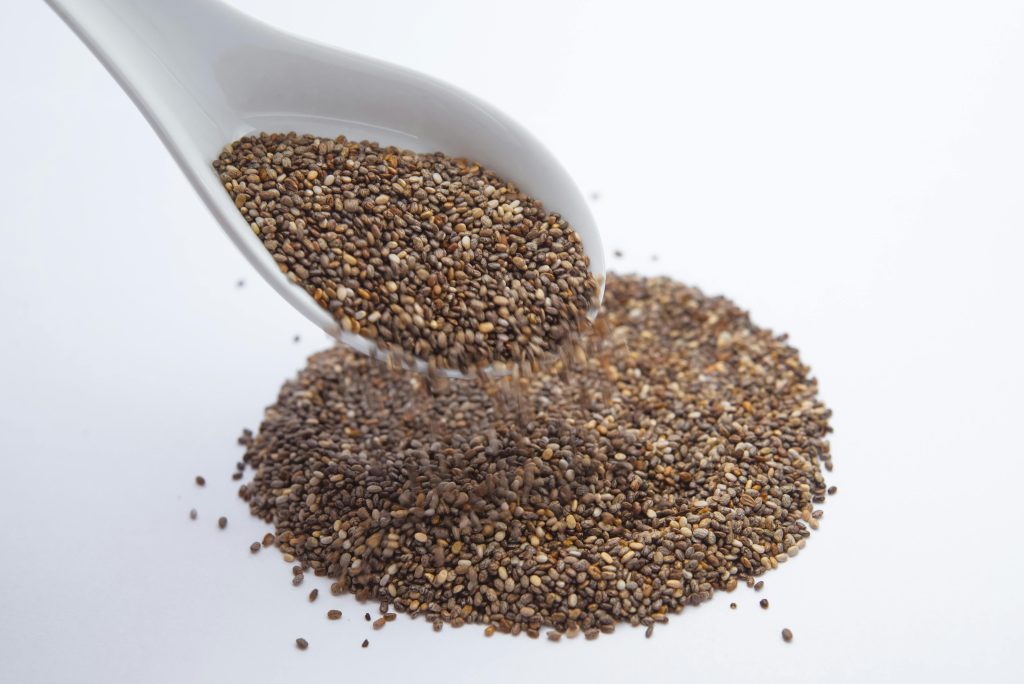
Chia seeds come from a plant called Salvia hispanica, which has been grown for over 5000 years! People used to add them to medicines, but today, we usually eat them in foods.
Chia seeds are tiny but full of nutrients, which is why they’re called ‘little powerhouses of nutrients’. They’ve become really popular because they are super healthy. In fact, searches for chia seeds on Google went up by almost 800% between 2009-2019!
Can I give Chia Seeds to my Toddler?
Yes, babies and toddlers can have chia seeds. Actually they can have chia seeds from when they start weaning and they are a great way to add some essential nutrients into their diet. Although chia seeds are a nutritious food they can be a choking hazard. It is important that you don’t give your baby dry chia seeds. I have some recipes below that you can try when introducing chia seeds into baby food.
Health Benefits of Chia Seeds for Babies
Chia seeds have a huge range of nutritional benefits to add to your baby’s diet.
Omega-3 Fatty Acids: Chia seeds are one of the best plant sources of omega-3, which is great for heart health. Omega-3 is also supports young children’s rapid brain development.
Fiber: Chia seeds have a high fiber content and just one tablespoon of chia seeds provide around 5 grams of fiber. Fiber is important for good digestion and helps prevent constipation, which can be common in toddler and young children.
Protein: Chia seeds contain 18 out of 22 amino acids, including 9 essential ones, this makes them a complete plant based protein source. Protein is essential for growth and development, making it especially important for little ones.
Iron: Chia seeds are a great source of iron, which helps make hemoglobin in red blood cells. Hemoglobin carries oxygen around the body, and getting enough iron is important to avoid anemia.
Calcium: Did you know that 1 tablespoon of chia seeds have more calcium than 50mls of cow’s milk? This means that if your little one has a milk allergy you can use chia seeds in their diet to help towards their calcium requirements.
Magnesium: Did you know that 1 tablespoon of chia contains the same magnesium as 2 cups of spinach! This mineral helps develop your child’s nervous system and muscles and is also important for bone health.
Zinc: Zinc helps in making new cells, including those in the eyes, brain, and immune system. Just 1 tablespoons of chia seeds provide about 0.5mg of zinc.
Nutritional Facts (per 1 tablespoon)
- Calories: 65
- Fat: 4g (including essential fatty acids)
- Carbohydrates: 6g
- Fiber: 4g
- Protein: 2.3g
- Calcium: 80mg
- Iron: 1.1mg
- Zinc: 0.5mg

Will chia seeds help my baby poop?
Yes, chia seeds can help your baby poop. Chia seeds are a great source of fiber, particularly soluble fiber. Soluble fiber absorbs water and forms a gel like consistency which can help to soften stools and help with regular bowel movements.
While chia seeds are very nutritious, starting with a small amount is best. Too many chia seeds can cause stomach upset or diarrhea as they may provide too much fiber to your little one. Begin with 1/2 teaspoon and gradually increase to a maximum of 1 tablespoon a couple of times per week.
Here are some ideas on how to add chia seeds into your toddlers diet.
How to Add Chia Seeds to Your Child’s Diet
Chia seeds are super versatile and can be added to many of your babies food from 6 months of age. They can add a natural sweetness to healthy desserts but just make sure you stick to portion sizes. You could try to;
- Sprinkle on breakfast cereal.
- Add to fresh fruit and yogurt.
- Mix into curries, soups, rice dishes, or stir-fries.
- Use in baking biscuits or muffins.
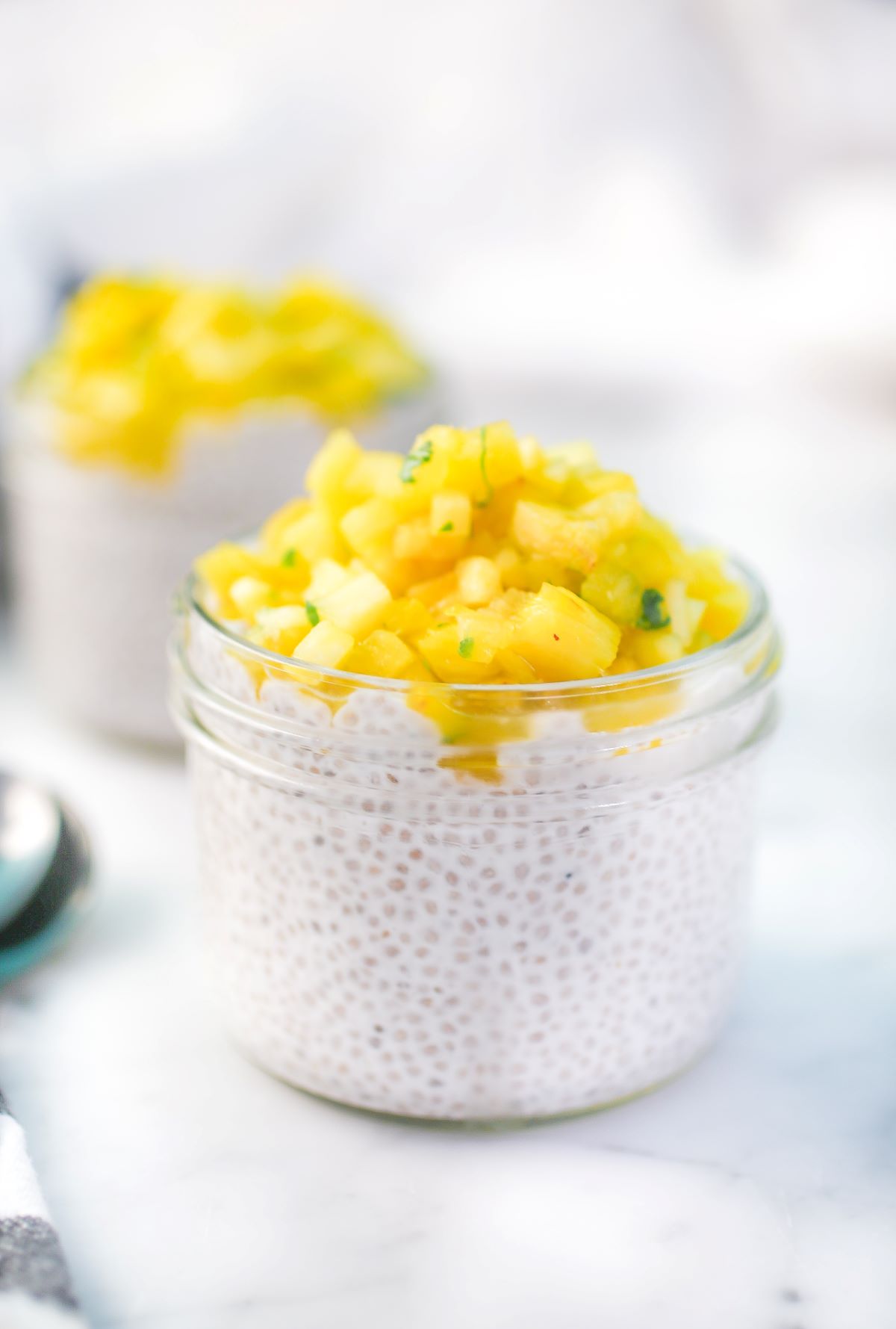
- Make chia pudding for a tasty snack.
- Chia seeds can also be used as an egg substitute due to their gloopy texture and how they swell up to 10 times their size. Check our my egg and milk free pancake recipes and grab your free recipe book.
Introducing Fun Chia Seed Recipes for kids
Banana chia pudding with added spice. Makes two portions
When it comes to introducing new foods to your little one, it’s always fun to get creative in the kitchen! This healthy smooth pudding recipe featuring chia seeds is perfect for those starting solid foods. Banana Chia Pudding is not only delicious but also packed with nutrients. With just a few simple ingredients, you can whip up a tasty treat that your little one will love. Plus, it’s a great way to incorporate chia seeds into their diet.
Ingredients
- 1 ripe banana
- 250-300ml of milk – you can use plant based milk if required. Check out my blog on suitable options.
- 1/2-1 tablespoon of chia seeds
- 1/2 teaspoon of cinnamon
How to;
- Blend the banana and milk
- Add in the chia seeds and give a good stir
- Put in the fridge for around 30 minutes to allow the chia seeds to expand. This can last up to 2 days in the fridge.
Tips – I would advise to start out with 1/2 tsp in the recipe and increase to a maximum of 1 tablespoon as anymore than this may be too much for your little ones bowels.
Peanut Butter and chia seed pudding
Get your little ones excited for breakfast with this Peanut Butter and Chia Seed Pudding! Mixing creamy peanut butter with chia seeds and plant-based milk, this fun and healthy recipe is sure to be a hit with kids, providing a tasty and nutritious start to their day
This makes two portions
Ingredients
250-300mls plant based milk or any kind of milk you like.
1/2-1tbsp of chia seeds
2 tablespoons of peanut butter – smooth
optional drizzle of maple syrup.
How to;
1. Add the milk and chia seeds in a cup and stir together.
2. Add in the peanut butter and now you’ll need to whisk as it can be a little tough.
3. Put in the fridge for around 30 minutes to allow the chia seeds to expand. This can last up to 2 days in the fridge.
If you like, you can drizzle a little maple syrup or add some fresh berries before serving.
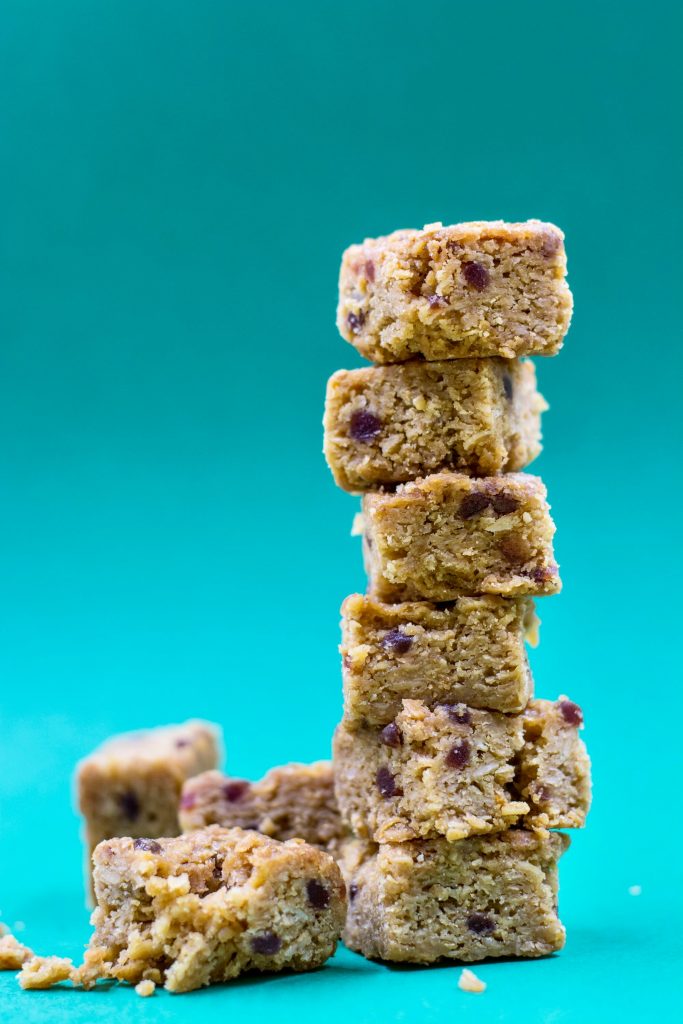
Introducing a Tasty Treat for Tiny Tummies; Chia seed flapjacks
Looking for a nutritious snack that your toddler will love? Try our Chia Seed Flapjacks! Made with wholesome ingredients like dairy-free spread, oats, and chia seeds, these flapjacks are both delicious and healthy.
Ingredients:
175g dairy free
2tbsps maple or agave syrup
100g golden caster sugar
225g porridges oats
75g dried cranberries or raisins
1 heaped tsp cinnamon
3 tsps chia seeds
How to;
1. Preheat the oven to 180C/gas mark 4.
2. Melt the spread, syrup, and sugar over a low heat until it becomes liquid, just make sure it doesn’t burn.
3. Add in the dry ingredients and give a good stir.
4. Transfer to a lined baking try (approximately 20cm square)
5. Bake in the oven for 20 minutes.
6. Remove from oven and cut into 16 squares.
How to store chia seeds
Chia seeds once opened should be stored in an airtight container. This is usually the packaging they come it as they can be sealed.
Chia seed allergy
At the moment there is no definite evidence to say that chia seeds can cause an allergic reaction, however here is some more information below.
Chia seeds contain proteins similar to those found in other seeds and nuts, which can sometimes cause allergic reactions.
These are 11S globulins (found in peanuts and soybeans), 2S albumins (common in sesame and sunflower seeds), and oleosins ( in peanuts and tree nuts). While no direct link between chia seed allergies and other seed or nut allergies has been found, the presence of these proteins suggests an allergy to chia seed could occur.
If your little one has allergies to the above foods I would always advise to introduce chia seeds slowly when weaning.
How long to soak chia seeds for toddlers?
Generally when creating healthy recipes with chia seeds the best way is to leave the food in the fridge for around 30 minutes. This allows the chia seeds to soak up the milk and expand.
Conclusion: Can I Give Chia Seeds to My Toddler?
Chia seeds are an excellent addition to your toddler’s diet, providing a fun way to introduce new foods with high nutritional value. They are a complete protein, containing essential amino acids that support your child’s growth and development. Besides their protein content, chia seeds are packed with omega-3 fatty acids, fiber, calcium, iron, magnesium, and zinc, making them a ‘superfood’ for younger babies and toddlers. These nutrients can support brain development, digestion, and overall health.
When introducing chia seeds to your toddler, start with small amounts and ensure they are well-soaked to avoid choking hazards. You can add chia seeds to a variety of foods, such as yogurt, smoothies, puddings, and even baking recipes. Just remember to increase the portion size gradually and monitor your child for any signs of allergies.
Incorporating chia seeds into your child’s diet can be a fun and nutritious way to ensure they get the essential nutrients they need. Enjoy experimenting with these tiny powerhouses in your toddler’s meals!

Hannah is an Expert Registered Dietitian specialising in Vegan Family Nutrition and Cows Milk Protein Allergy.
She is a respected figure in the field of nutrition and a captivating speaker and sought after media spokesperson being featured in esteemed publications including the Sunday Times, Independent and Huffington Post.
Credentials
Registered Dietitian
First Class Degree in Nutrition
Experience
Over 15 years experience working in the field of nutrition
Respected Media Spokesperson both in the UK & USA; quoted online, TV and in local and international news
Writer & Researcher, supporting the BDA and PEN Nutrition